 EN
EN  ZH
ZH  KR
KR  BR
BR  ES
ES  IN
IN  IL
IL  JP
JP  TH
TH 
Published:
October 14, 2026
Reading time:
6 minutes
THERE IS A separate halachic discussion regarding what the string holding the mat together should be made of.
As mentioned earlier, any material that is pasul for schach may not be used l’chatchila to support the schach. This is known as gezeiras ma’amid. In the case of schach mats, some consider the string that ties the mat together a ma’amid, since it often helps prevent the slats from blowing away or from falling through into the Sukka.
Therefore ideally, the string should be made from a material that is itself kosher for schach (material that grows from the ground and retains its natural appearance22). Jute, raffia and similar materials would be suitable choices.
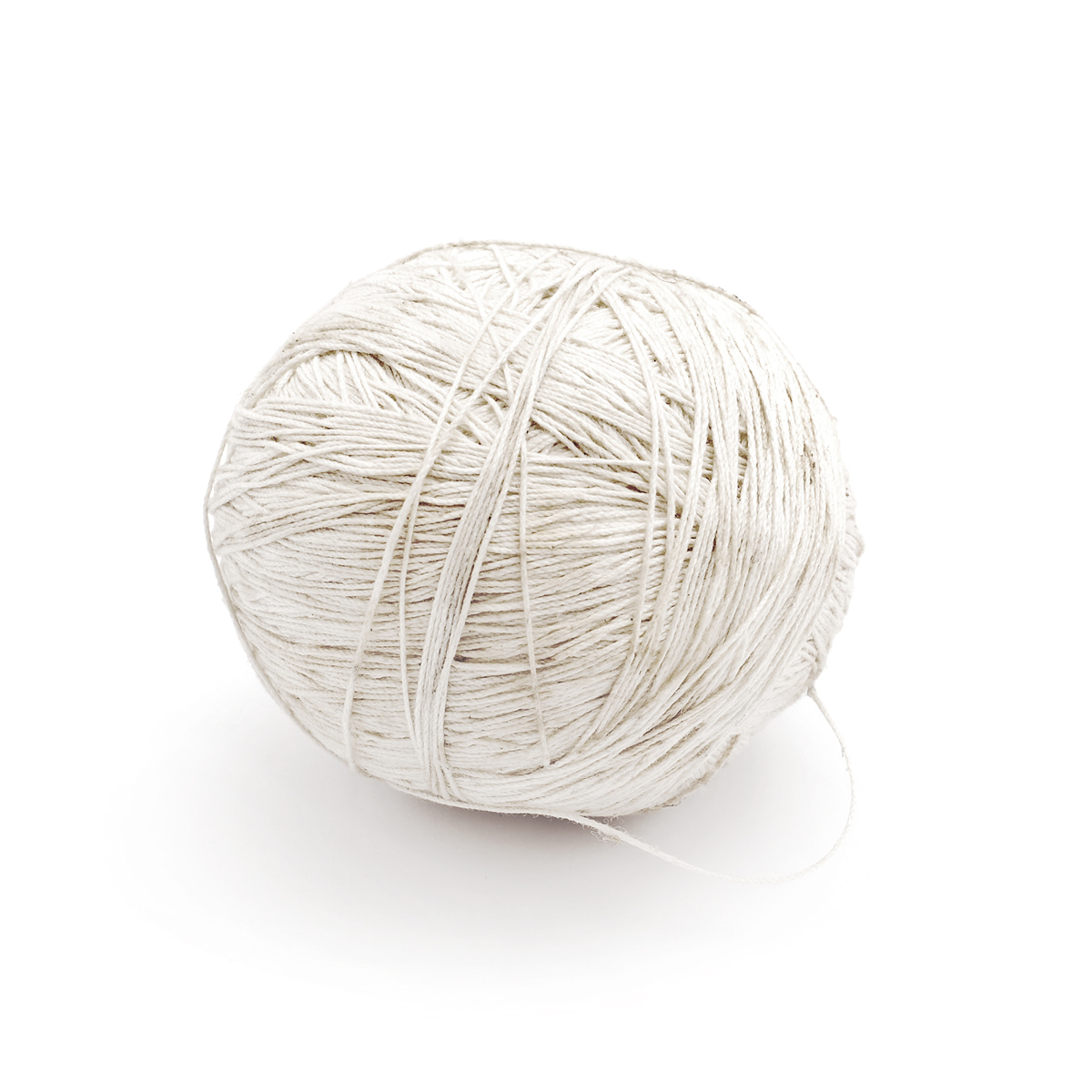
Cotton String
Cotton string or yarn is made by harvesting raw cotton from the cotton plant, cleaning and combing the fibers, and twisting them into a continuous, strong thread. Since cotton grows from the ground and is not mekabel tumah, it is technically kosher for schach. However, it can become pasul mi’d’Rabbonon if its appearance has been altered through processing (see criterion #3 at the beginning of this article).
There is discussion among the Poskim as to whether this would constitute a problem of ma’amid, with many prominent Poskim writing that this would not be a concern.23
However, one who wishes to be machmir when using a mat tied with cotton string (due to the concern of ma’amid) should ensure that there is adequate support beneath the mat, so that the mat is not relying on the string as its ma’amid.
It is also advisable to place kosher schach, such as branches or heavier bamboo sticks, on top of the mat, so that one is not relying on the string to prevent the schach from blowing away.
The Stringent View of Rashi
The Mishnah Berurah, in Sha’ar HaTziyun24, cites the opinion of Rashi25 that any material in which the fibers have been twisted together is susceptible to tumah. According to this view, most types of string / rope would be pasul for schach min haTorah and using such rope to hold the mat together would certainly present a problem of ma’amid.
The concern may be even more serious. According to the Igros Moshe26, when a twisted string is used to connect slats together, the entire mat becomes considered a woven item. According to Rashi, this could render the entire mat mekabel tumah and therefore pasul for schach.
Therefore, some Poskim suggest that it is preferable to use monofilament nylon27. Nylon is not kosher for schach; however, since it is not made from twisted fibers, it at least would not cause the entire mat to become invalid. The only concern would be ma’amid, which can be addressed by supporting the schach with other kosher materials (as explained above).
However, there are several reasons why we need not be concerned about this at all, most notably because the halacha does not follow Rashi on this point.
RASHI’S OPINION IS not cited by other Poskim28.
THE MISHNAH BERURAH cites this opinion only in Sha’ar HaTziyun. According to the Mishnah Berurah’s own introduction, Sha’ar HaTziyun is intended primarily for reference and to present sources and considerations, rather than as a source of practical halachic rulings.
THE ROPE MAY NOT meet Rashi’s definition of טווי. When rope / string is made from natural fibers with minimal processing, it may not be considered טווי in the sense discussed by Rashi.
THE CONCERN RAISED by the Igros Moshe may not apply to schach mats. The Igros Moshe was discussing window blinds, where the strings pass through small holes in the slats, causing the slats themselves to become part of the weaving. In schach mats, however, the strings pass over and under the slats without passing through them. Therefore, the slats might not be considered part of a woven material in the same way.
For these reasons, many consider minimally processed natural-fiber rope (even when the fibers are twisted together) to be preferable to nylon for tying schach mats.
Conclusion:
Not all bamboo mats available on the market are necessarily kosher for schach, and certainly not l’chatchila. As the issues discussed above demonstrate, both the intended use of the mat and the materials and methods used in its construction can affect its halachic status.
Therefore, one should be careful to purchase schach mats only from a reliable source with a reputable hechsher.
22 סימן תרכט סעיף ה, ובשו”ע הרב סעיף ו, ובמשנה ברורה ס”ק יג. ומקורן
ברמב”ם הלכות סוכה פ”ה ה”ד
23 הנה הרמ”א כתב )תרכט, ז( שאין להעמיד הסכך בדבר המקבל טומאה, ומיירי
שם בדבר הפסול לסיכוך מן התורה. ובנוגע האם מותר להעמיד הסכך בדבר הפסול
לסיכוך רק מדרבנן, הנה בחידושי הריטב”א )סוכה יב. וכן בדף כא:( לפי תירוץ
ראשון שם אסור, אך לפי תירוץ ב’ שם העלה שמותר בגלל דלא גזרינן גזירה )גזירת
מעמיד אטו( לגזירה )פסול סיכוך מדרבנן(. וכדברי הריטב”א לקולא העלה להלכה
בביאור הלכה ריש סימן תרל בשם הגר”א. ובפוסקי זמנינו כן העלה גם בחזון עובדי’
)דיני הסכך הערה ט’(.
אך מצינו במ”א )סי’ תרכט ס”ק יא( וכן בשו”ע הרב )שם, סעיף יד( ובמשנה ברורה
)שם, ס”ק כה( שאסור להעמיד את הסכך בדבר המקבל טומאה מדרבנן, וא”כ נראה
שכן גוזרים גזירה לגזירה. אך במלקטי זמנינו יש שתירצו בזה דשאני דבר המקבל
טומאה מדרבנן שבעצם פסול כיון דאין דין קיבול טומאה שלו מיוחד לדיני סוכה.
ויש להביא סמוכין לגישה זו מהא דבמקום שאין ברירה מותר לסכך בנסרים רחבים
ד’ )סימן תרכט, במ”א ס”ט כב, בשו”ע הרב סעיף לג, במשנ”ב ס”ק נ(, אבל בפמ”ג
)שם, א”א ס”ק כב( כתב שאין הדברים אמורים בדבר המקבל טומאה מדרבנן.
לעומת המקילים, בפרי מגדים )א”א סי’ תרכט ס”ק יא( מסופק אם מותר להעמיד
את הסכך בדבר הפסול מדרבנן אפילו אם אינו מקבל טומאה, וסיים שירא שמים
יחמיר בזה. והרב מאיר אריק )שו”ת אמרי יושר ח”א סי’ מג( החמיר עוד יותר ונקט
בפשיטות לחומרא.
]וראה בביכורי יעקב )סי’ תרכט ס”ק יד בסופו( שהביא הפמ”ג ותמה עליו, אך עיקר
תמיהתו שם הוא שהביא סתירה בזה בפמ”ג, אבל תמיהתו צ”ב כי בפשוטי כלי עץ אפילו
שנשברו דעת הפוסקים שהובאו לעיל )מ”א, שו”ע הרב והמשנ”ב( לחומרא, וצ”ע.[
ועכ”פ יוצא שאין בזה ראי’ מוכחת לכאו’ לכאן או לכאן, ובגלל הנ”ל כתבנו בפנים
שיכול להיות שיש בזה שאלה של ‘מעמיד’, עכ”פ באופן של לכתחילה.
24 סימן תרכט אות כ
25 שבת סד.
26 באגרות משה או”ח א סימן קעז
27 ובתנאי שקני המחצלת יכולים לעמוד ברוח מצוי’ בלי החוט, ראה בשו”ת שבט
הלוי ח”ו סימן עד שכתב שעשה בדיקות בזה בשעתו ונתברר שעומדים ברוח מצוי
28 להעיר שאלו ההולכים לפי שיטת שו”ע הרב בין להקל ובין להחמיר אין
כאן מקום לחשש כלל כיון שבשו”ע הרב הביא בפשטות בלי חולק שיטת הרמב”ם
דחבלים שלא נשתנה צורתם כשרים לסיכוך