 EN
EN  ZH
ZH  KR
KR  BR
BR  ES
ES  IN
IN  IL
IL  JP
JP  TH
TH 
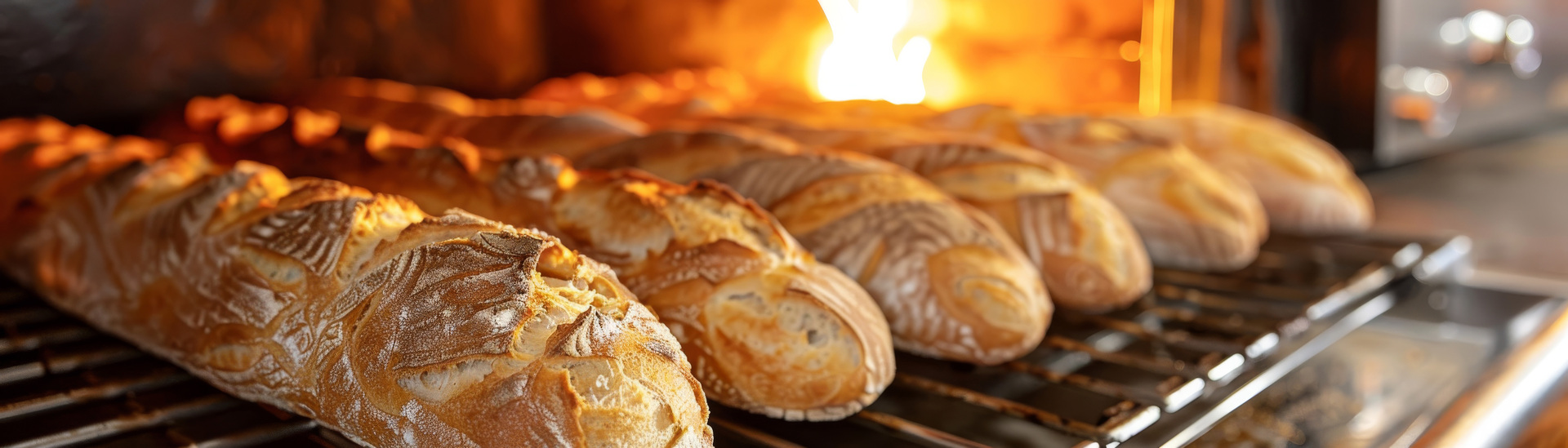
THE SHULCHAN ORUCH (Yoreh Deah 97) rules that it is forbidden to bake milchig bread (where milk or butter is mixed into the dough) or fleishig bread (where animal fats are mixed into the dough), even if one only plans to eat the bread by itself or exclusively with foods of the same kosher status. This prohibition is Rabbinic in nature – because bread is a staple food, Chazal were concerned that such bread might mistakenly be eaten with the opposite type of food, potentially leading to a serious transgression. Therefore, once milchig or fleishig bread is baked, it is considered non-kosher and may not be eaten unless specific circumstances are met. If the bread is baked in a distinctly unusual shape or in a small quantity, the prohibition does not apply. (See Kosher Connect, Volume 1, Sivan for a detailed discussion.)
A related and common question is: What is the halacha regarding bread made with completely pareve ingredients, but baked in a milchig or fleishig oven? This situation arises often in home kitchens, for example, when baking challah for Shabbos without a designated pareve oven.
Bread can be baked in a milchig or fleishig oven under the following conditions:
THE OVEN SHOULD BE CLEAN. Lechatchila, one should not bake bread in a meat or dairy oven that has visible residue or buildup, even if the intention is to eat the bread only with the same type of food.
IF THE BREAD WAS BAKED IN AN OVEN THAT WAS NOT CLEAN, b’dieved, the bread is still permissible to eat by itself or with the same type of food. If one wants to use the bread with food of the opposite kosher status, a Rav should be consulted.
BAKING PANS/BAKING SHEETS: When baking bread on a pan, ideally one should use a designated pareve pan. If one does not have a pareve pan, one may use a fleishig or milchig pan that is completely clean, depending on which oven one will use to bake the bread. Bread baked on a clean fleishig or milchig pan may only be eaten (lechatchila) with the same food type.
IF ONE WISHES TO BAKE BREAD THAT MAY lechatchila be eaten with either meat or dairy, the oven should be kashered by thoroughly cleaning the oven and then heating it to 500°F for an hour (even if the oven is ben yomo). However, kashering from treif or for Pesach requires libun gamur.
Kashering After Dairy Bread
If one mistakenly baked actual dairy bread (without the mitigating factors mentioned above) in a dairy oven, does the oven need to be kashered?
Some Poskim recommend kashering in such a case, and a ba’al nefesh who wishes to be machmir may certainly do so.
However, the widespread consensus is that kashering is not required. Although Chazal prohibit such bread, their ruling is considered either an issur kal (a lenient prohibition), a knas (rabbinic penalty), or an issur gavra (prohibition directly upon an individual), and not the type of issur that would affect the keilim.
OK Kosher Policy
OK Kosher does not certify bread baked on dairy equipment or in a dairy oven.