 EN
EN  ZH
ZH  KR
KR  BR
BR  ES
ES  IN
IN  IL
IL  JP
JP  TH
TH 
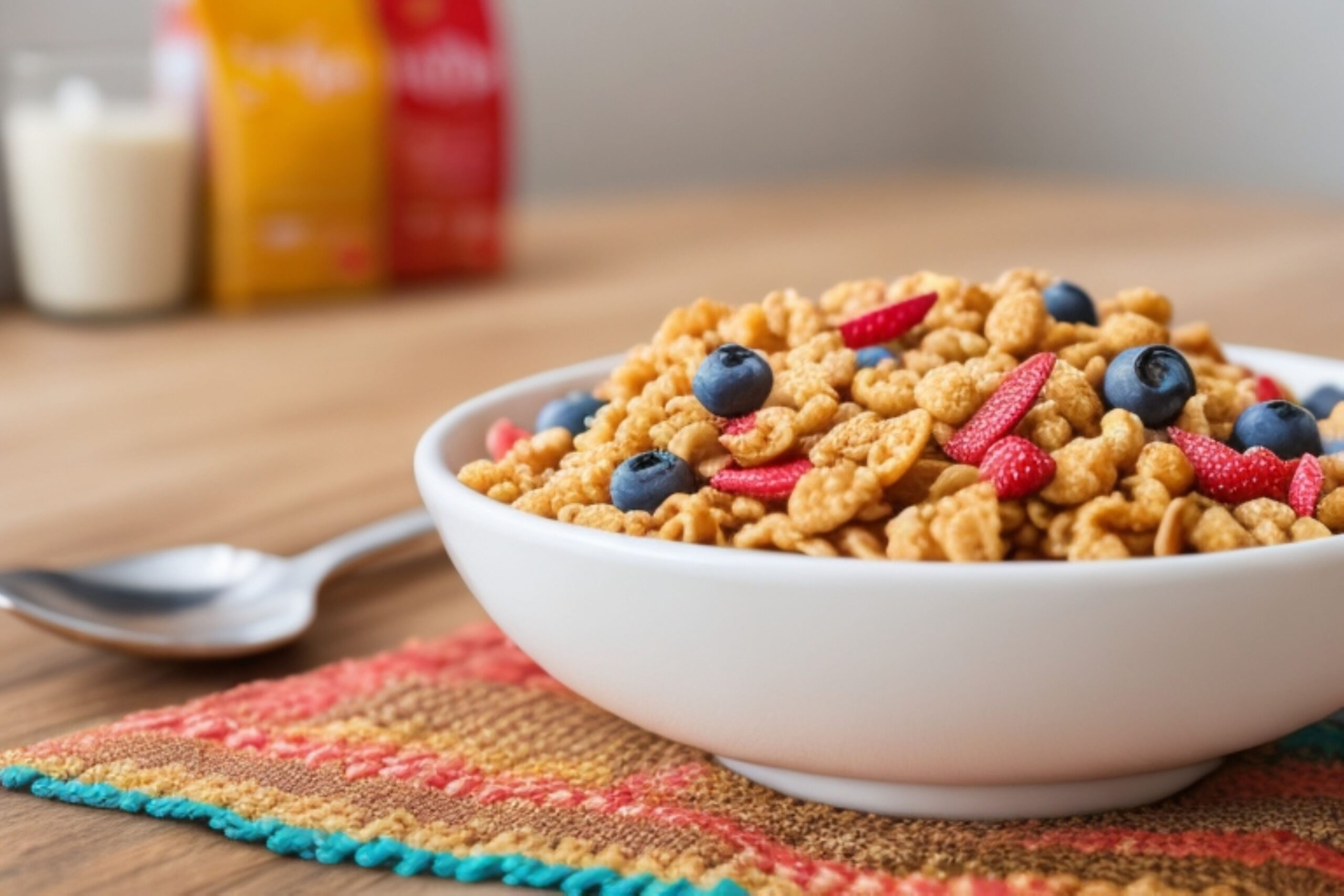
THIS QUESTION ACCOUNTS for more than half of all consumer inquiries received by kashrus agencies worldwide. How can a kashrus agency declare a product dairy when the allergen statement only lists “wheat” or “tree nuts”? There does not seem to be any dairy ingredients, and the packaging even proclaims in bold letters “NON-DAIRY” or “VEGAN”.
There are three main reasons why a product might be marked with a D:
- IT CONTAINS actual dairy ingredients.
- THE INGREDIENTS are all pareve, but the product is made on equipment that is not cleaned to halachic standards or has dairy residue. (Dairy equipment is a separate topic that may be addressed in subsequent issue.)
- BOTH THE INGREDIENTS and the equipment are pareve, but the “D” appears for legal or marketing reasons, or production flexibility.
Let’s look at each of these in turn.
1. Contains Dairy Ingredients
The ingredient panel doesn’t always tell the full story. Many ingredients are made of multiple sub-ingredients; a final product can include hundreds of sub-ingredients. A dairy sub-ingredient can render the product halachically dairy, even though it does not appear explicitly on the ingredient panel.
This is especially true of flavors. Ingredient panels often simply say “natural flavors” without disclosing how those flavors are made. Natural flavors are developed from natural sources, which undergo complex food-engineering processes and modifications — including the combining of chemical compounds from multiple origins — to achieve a desired taste profile. The name of a flavor has no bearing on its source: butter can be used to create chicken flavor and chicken can be used to create butter flavor — and everything in between. Thus, a “natural flavor” might be engineered from a dairy ingredient. That ingredient has been so highly processed or chemically altered that it is no longer legally considered dairy, but halacha still regards it as dairy.
This concept extends beyond flavors to other ingredients, too. Milk consists of water, milk fat, and skim solids — the latter including proteins, lactose, and minerals. If these components are separated, each one remains halachically dairy, even though it may not be legally classified that way.
For example, when producing condensed milk, the water that is separated from the milk during the process — known as “cow water” — is technically distilled water. Legally, it is not considered dairy; however, from a halachic perspective, it retains its dairy status.
Casein (pronounced kay-seen) is the primary protein found in milk. It is often processed into caseinate and used in products such as coffee creamers. Under U.S. law, these creamers must be labeled as “non-dairy,” even though they contain milk protein. However, from a halachic standpoint, such products are dairy.
2. Equipment that Is Not Cleaned to Halachic Standards
Oil previously used for dairy products will still be halachically dairy, even after intensive filtration that renders it legally dairy-free for allergen purposes. Therefore, pareve items fried in such oil are halachically dairy. Similarly, when equipment is not fully cleaned after a dairy run—especially with chocolate or products that include oil (like microwave popcorn)—residual dairy can cause the next run to be halachically dairy, despite containing no dairy ingredients.
3. Marketing or Production Flexibility
Another possibility is purely practical or business related. A company may wish to maintain flexibility to switch between recipes — some containing dairy ingredients and others not — without the need to redesign or reprint packaging. They also might want to avoid downtime on production lines due to cleaning processes. Every moment a line is down comes at a heavy cost to the company.
In addition, a manufacturer sometimes produces multiple versions of a product: some pareve, some dairy, and some dairy equipment. If the company mistakenly labels a dairy product as pareve, or prints packaging that says “pareve” for a dairy item, it must issue a recall — an extremely costly process that can reach tens or even hundreds of thousands of dollars in labeling, labor, and logistics.
To avoid this risk, some companies choose to label all related products with a “D,” using a single graphic template. This prevents the possibility of a costly or reputation-damaging recall.
In Conclusion
One should not assume that a product is pareve simply based on its packaging or ingredient list. If a product CAN be certified pareve, we do certify it as pareve. It is possible for a product labeled “non-dairy” and showing no visible dairy ingredients to be halachically dairy. In such cases, the product may not be eaten with meat, nor immediately after meat, without waiting the proper amount of time. If a kashrus agency has marked an item with a “D,” it should be treated as a dairy product.
One can always try contacting the certifying agency to verify whether a product is truly dairy, dairy equipment, or pareve. If you are informed that the item is pareve or dairy equipment, it is advisable to confirm whether you should check back periodically, as the product’s status may change over time.