 EN
EN  ZH
ZH  KR
KR  BR
BR  ES
ES  IN
IN  IL
IL  JP
JP  TH
TH 
Published:
January 21, 2026
Reading time:
5 minutes
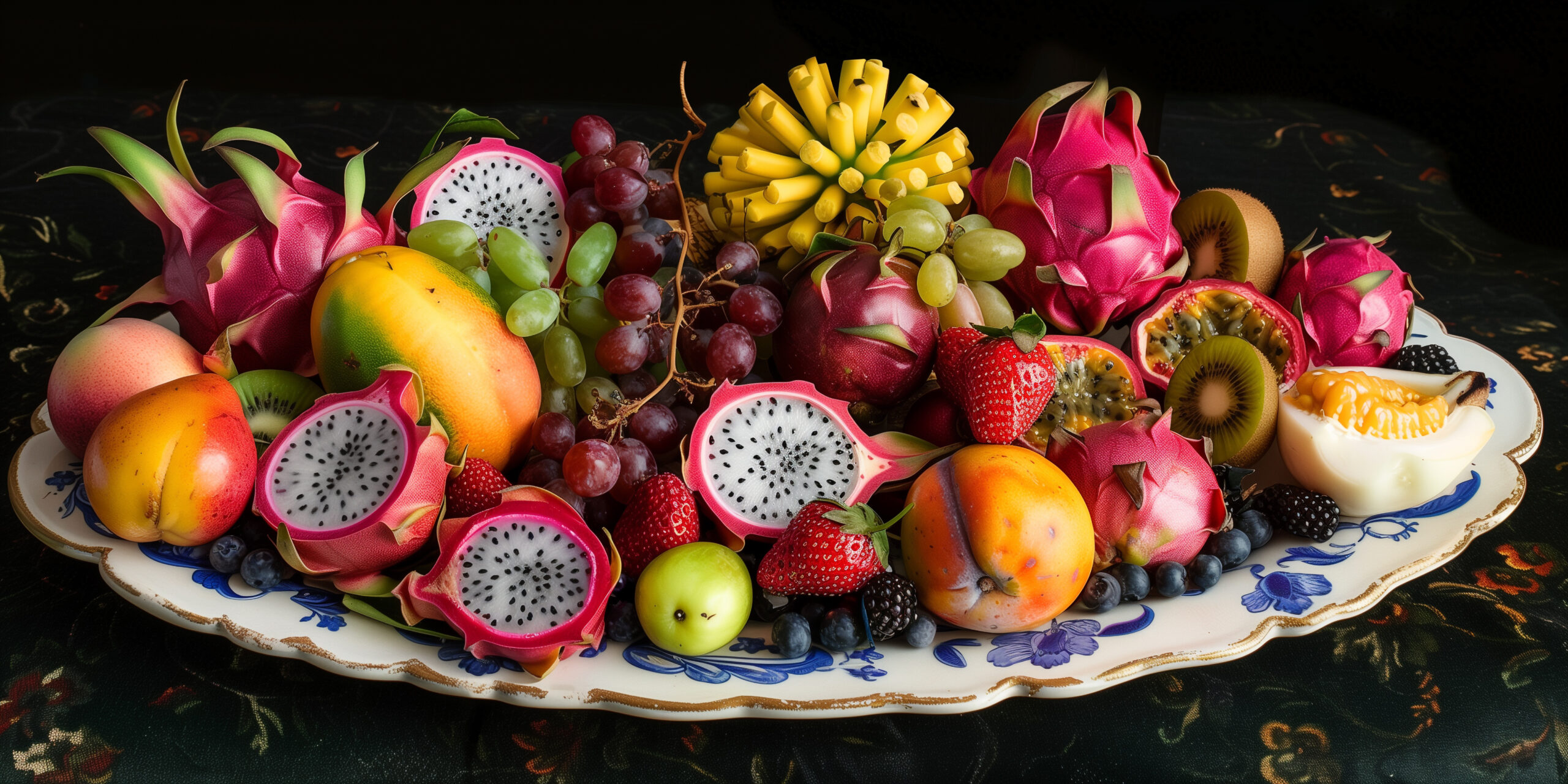
IT IS CUSTOMARY in many Jewish communities to eat fruits on Tu B’Shevat, particularly the Shivas HaMinim. If one encounters a fruit that has newly come into season, the brocha of shehechyanu should be recited.
The brocha of shehechyanu may be categorized in two ways:
CHOVAH (OBLIGATORY) – such as the brocha recited on Yomim Tovim, which expresses praise and gratitude to Hashem for reaching a significant milestone.
RESHUS (OPTIONAL) – such as upon the birth of a child or seeing a close friend after a long absence; it is recited only when one experiences genuine joy.
Is Shehechyanu on Fruit Chovah or Reshus?
The simple reading of the Gemara1 seems to imply that it is reshus. This is also the view adopted by the majority of Poskim.
Other Poskim2 maintain that it is a chovah as an expression of gratitude for reaching a new season. They explain that Gemara to mean that although eating the fruit is optional, if one chooses to eat it, the brocha is mandatory.
These opposing views lead to several different opinions on how and when to make the brocha.
When to recite the brocha:
If the brocha is a chovah (recited for the season), it should be made immediately upon seeing the fruit, even while it is still on the tree. If it is considered reshus (for the personal feeling of joy) one should wait until eating the fruit (unless one experiences genuine joy upon seeing it).
Fruit that is not fully ripe:
If the brocha is said for the season, it can be recited even on fruit that has not fully ripened. If the brocha is said because of personal joy, one should wait until the fruit is ripe. If the brocha was recited prematurely, it would warrant repetition.
In practice, the primary halacha follows the view that it is reshus (joy based), so the brocha is customarily recited when eating the fruit, as not everyone experiences joy upon seeing the fruit. In addition, one should wait until the fruit is fully ripe to recite the brocha.
However, b’dieved, if the brocha was recited upon seeing the fruit, or on unripe fruit, it is not repeated3, due to the principle of safeik brochos lehakel.
Defining a “Seasonal” Fruit
Modern agriculture, refrigeration, and global shipping have made many fruits available year-round, raising important questions about how to determine what qualifies as a seasonal fruit for the brocha of shehechyanu.
The Shulchan Oruch4 states: “A fruit which does not renew annually does not warrant shehechyanu—even if one has not eaten it in a long time. The Rema clarifies that even “a fruit that renews twice a year warrants shehechyanu, provided it has clearly defined seasons.” The Magen Avrohom further adds: “Even if a fruit can be preserved throughout the year, if the in-season fruit is clearly fresher or of superior quality, shehechyanu is still recited.”
Practically speaking, a fruit qualifies for shehechyanu if:
- It has a recognizable season during which its quality is superior, even if it can be preserved year-round.
- It is generally unavailable, or found only in specialty or expensive stores, outside of its usual season.
- It is imported from another climate and comes from a new season there. (On condition that it is uncommon locally or noticeably fresher than preserved produce.)
Seasonal fruits (or vegetables) on which one makes the brocha ha’adamah, may also warrant shehechyanu5, provided they meet the criteria of seasonality outlined above.
Nevertheless, there is no custom to seek a new ha’adamah fruit for Tu B’Shevat, as it is the Rosh Hashanah for trees.
Similar Types of Fruit
In practice, when both varieties are eaten together, the brocha of shehechyanu is recited only once, just as one would recite a single shehechyanu even when eating multiple, completely distinct new fruits at the same time.There is a dispute regarding whether shehechyanu is recited on different varieties of the same fruit (e.g., green vs. red grapes, or apple varieties).
If the second variety is eaten at a later point (such that a new brocha rishonah is required):
- According to the Shulchan Oruch HaRav6 one recites shehechyanu again, even if the difference is only in color or name.
- Mishnah Berurah7 cites dissenting opinions and therefore recommends adding a second fruit that definitely requires the brocha of shehechyanu. If one does not have a second fruit for the brocha, shehechyanu is not recited.
Order of the Brochos
Shulchan Oruch HaRav and Mishnah Berurah both rule that shehechyanu is recited before ha’eitz since the obligation of shehechyanu begins upon seeing the fruit.
If ha’eitz was recited first, shehechyanu may still be recited before eating and is not considered a hefsek. One may eat a small amount first and then recite shehechyanu.
Others8 disagree and maintain that ha’eitz should precede shehechyanu, based on the principle of tadir v’she’eino tadir (that which comes more frequently takes precedence).
In practice, the common minhag among Ashkenazim is to recite shehechyanu first, and among Sephardim9 the minhag is to recite ha’eitz first.
Practical Guide
- The fruit must be “in season” and either unavailable year-round or of significantly higher quality during its season.
- If multiple new fruits are eaten together, shehechyanu is only recited once.
- If a different variety of the same fruit is eaten at a later time, the Shulchan Oruch HaRav rules to recite shehechyanu, while the Mishnah Berurah rules not to recite it.
- Ashkenazim usually recite shehechyanu before ha’eitz, while Sephardim usually recite ha’eitz before shehechyanu.
- If one forgot to recite shehechyanu and is still eating the fruit, recite shehechyanu as soon as you remember.
- If one forgot to recite shehechyanu and finished eating, the Shulchan Oruch HaRav rules to recite it at the next opportunity, b’lo shem u’malchus.
1 Eruvin 40b.
2 Hagohos Sefer Mitzvos Katan (SMA”K) 151.
3 Magen Avrohom 225:8, Seder Birkas HaNehenin 11:13, see also Shaar HaTziyun 225:14.
4 O”C 225:6.
5 Seder Birkas HaNehenin 11:12; Biur Halachah 225 D”H Pri.
6 Seder Birkas HaNehenin 11:14.
7 225:14; Shaar HaTziyun 225:18.
8 Hagohos Chasam Sofer, S”O, siman 225; Shu”t Avnei Neizer, siman 450.
9 Kaf HaChaim 225:24.