 EN
EN  ZH
ZH  KR
KR  BR
BR  ES
ES  IN
IN  IL
IL  JP
JP  TH
TH 
Published:
January 21, 2026
Reading time:
3 minutes
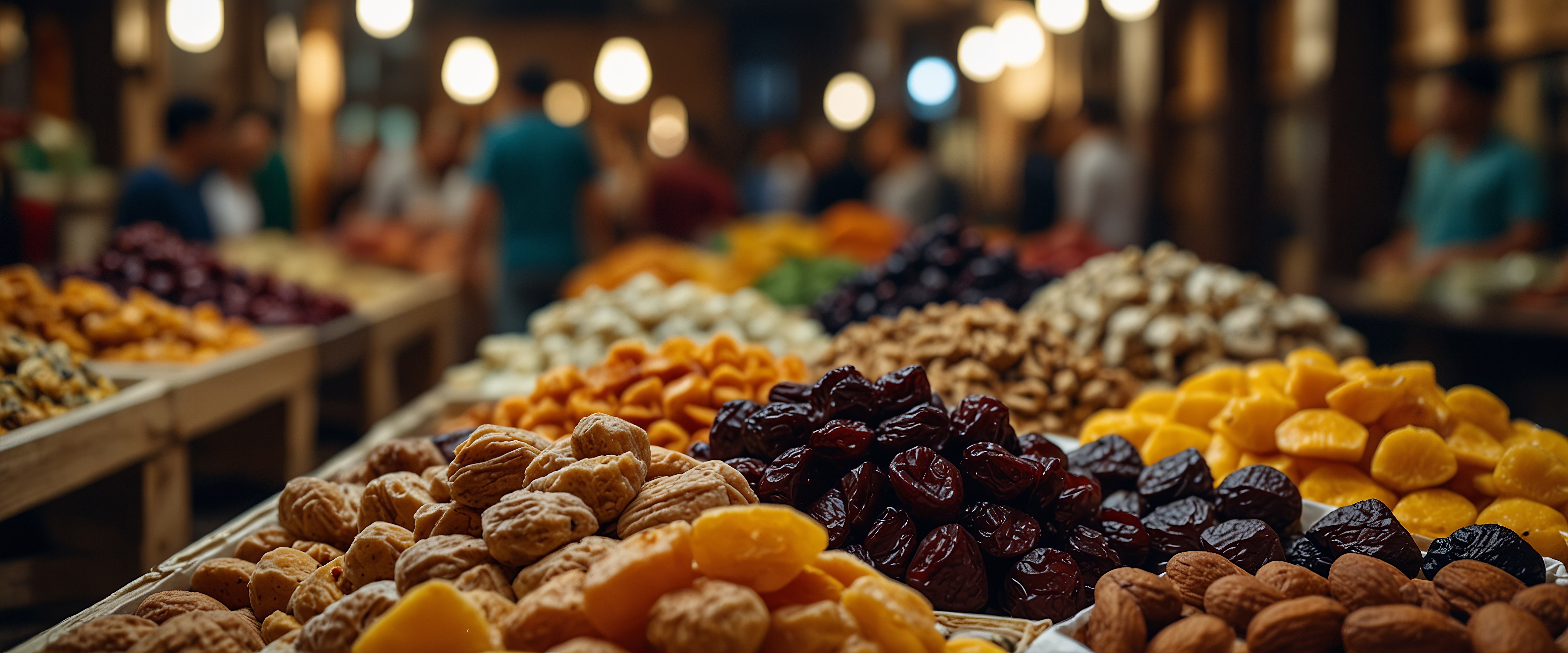
SOME CONSUMERS MIGHT assume that dried fruit is a simple product, nothing added, and nothing changed – just fruit that has been dried out so that there is no more liquid. That may have once been the case, but today’s dried fruit is often more than meets the eye. Modern drying methods, processing aids, additives, and shared equipment can significantly affect the kosher status of dried fruits.
Drying Methods and Kashrus Implications
Fruits are dried in several ways. Traditional methods include sun-drying or oven drying, where fruit is laid out in the sun or placed on trays in warm chambers. From a kashrus standpoint, these methods are generally low-risk (aside from tolaim concerns); the equipment is simple, and there is minimal concern of shared use with non-kosher products.
By contrast, many commercially dried fruits are produced using industrial tunnel ovens or conveyor belt systems. These can involve kashrus concerns, including oil-coated belts and shared equipment that may also be used for non-kosher products. For this reason, belt-dried fruit always requires reliable kosher certification.
Infusion, Cooking, and Frying
Many dried fruits undergo processing beyond drying. Fruits are frequently infused with syrups containing sweeteners, flavors, or colors, cooked in syrup before drying, or fried in oil—as is common with banana chips. These practices are widespread with tropical fruits such as mango, papaya, and pineapple, as well as cherries, cranberries, and strawberries. Any fruit that is infused, cooked, or fried requires a reliable hechsher.
Additives
Even fruits that are not infused often contain processing aids such as anti-stick agents, release oils, or stearates. Some fruits are also coated with flour or starch to prevent clumping, raising significant Pesach concerns. This issue is especially common with dates.
Eretz Yisrael
Fruits from Eretz Yisroel always require a hechsher due to concerns of terumos, maasros, orlah, and shemittah.
Tolaim
Dried fruits (especially sun-dried) may be subject to insect infestation and should be checked prior to consumption.
Practical Fruit-Specific Recommendations
- APPLES – Requires a hechsher; often treated with stearates or other processing agents.
- APRICOTS – Generally air-dried and acceptable year-round without a hechsher. Pesach: Possible flour use on equipment is a concern.
- BANANAS – Commonly fried in oil; requires a hechsher.
- BERRIES – Requires a hechsher; commonly belt-dried or freeze-dried, with additional infusion and insect concerns.
- CHERRIES – Requires a hechsher; typically infused and belt-dried.
- CRANBERRIES – Retail products almost always contain added sugar and oil; requires a hechsher.
- DATES – Generally acceptable year-round. Pesach: Possible flour use on equipment raises concerns.
- FIGS – Although air-dried, they pose a serious tolaim concern and are not recommended.
- MANGO / PAPAYA / PINEAPPLE – Requires a hechsher; often infused with sweeteners, flavorings, or coloring agents.
- RAISINS AND PRUNES – Requires a hechsher due to the use of coatings and non-stick agents during processing.