 EN
EN  ZH
ZH  KR
KR  BR
BR  ES
ES  IN
IN  IL
IL  JP
JP  TH
TH 
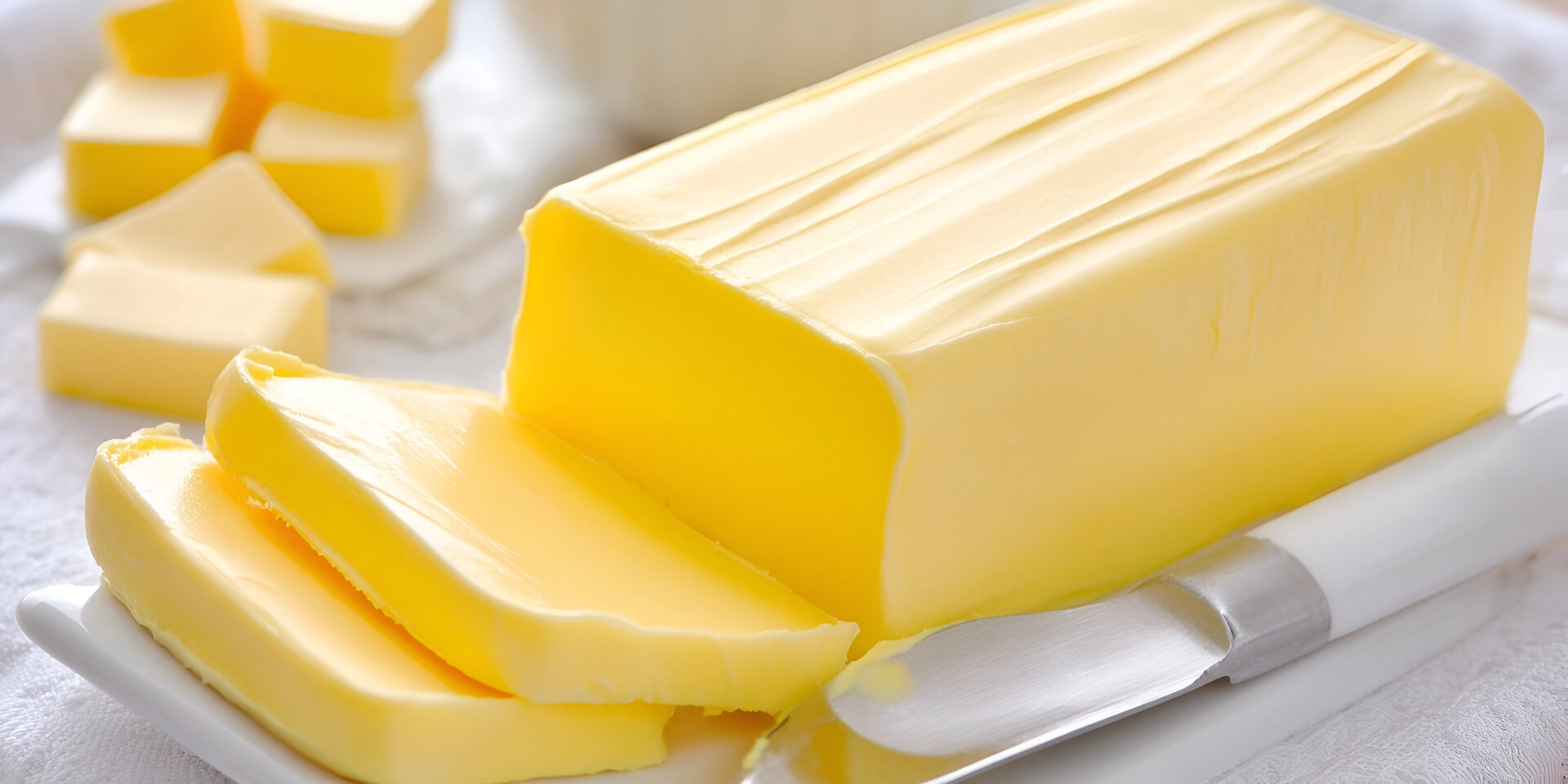
From a halachic perspective, butter differs from milk and cheese. Cholov akum—milk produced by a non-Jew—is prohibited because there is a concern that milk from a non-kosher animal may have been added. Gevinas akum—cheese produced by a non-Jew—is forbidden because cheese requires a curdling agent, traditionally rennet, which may have been derived from a neveila. Butter, however, historically involved neither concern: milk from a non-kosher species does not churn into butter, and the process requires no rennet or enzymes—only mechanical churning. Therefore, as long as any residual droplets of un-churned milk (which could theoretically be non-kosher) were removed, butter produced by a non-Jew was understood to be halachically permissible.
The reasons fall into three major categories:
The Introduction of Whey Cream
Whey cream is a byproduct of cheese production. When milk is curdled to make cheese, it separates into: CURD, which becomes cheese, and WHEY, a watery liquid that contains a small amount of cream.
1 Non-kosher ingredients may render the whey non-kosher.
Rav Moshe Feinstein, zt”l, suggested that since rennet does not form the whey, the rennet is botul in the whey and the whey should remain kosher. Other Poskim disagreed, maintaining that once the cheese becomes non-kosher, its whey is likewise considered non-kosher.
In practice, most mainstream kashrus agencies—including the OK—do not permit whey from non-kosher
cheese.
2 Whey from gevinas akum may also be non-kosher.
However, not all Poskim agree with this. They argue that because the whey separates early in the cheese-making process, the status of gevinas akum has not yet taken effect at that stage. Accordingly, the whey does not absorb any prohibited taste and remains permissible. This position is not accepted in practice. The mainstream kashrus agencies treat such whey as non-kosher.
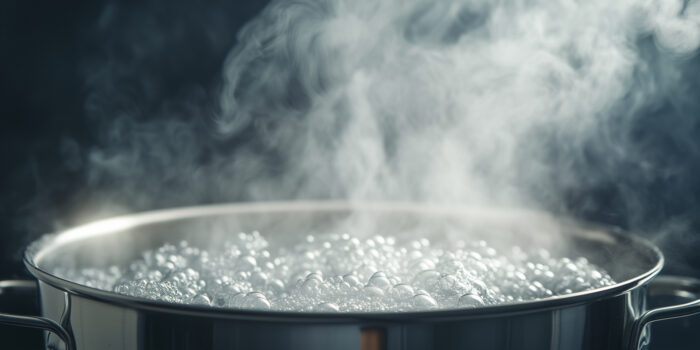
There is an additional concern with certain cheeses, such as mozzarella. After the cheese is fully formed, it is cooked in hot water—around 165°F—to make it malleable and give it the familiar “stretch” used for pizza. During this cooking process, the taste of gevinas akum is absorbed into the water. Many mozzarella manufacturers combine the cream from this water with whey cream and sell it to butter producers. Consequently, butter made with such whey cream is not kosher.
In conclusion, since whey cream can be blended with sweet cream to make butter, butter can no longer be assumed to be inherently kosher.
The Use of Flavors in Butter
A common additive is starter distillate, a natural flavor made from steam-distilled cultured skim milk. These flavors can pose kashrus concerns, especially for those who keep cholov Yisroel, because they are most likely derived from milk that is not cholov Yisroel.
Other compounds in flavor systems may also require certification.
Therefore, butter containing starter distillate, added flavors, or “natural flavors” cannot be assumed to be inherently kosher.
Modern Reassessment
However, modern technology has evolved. Through specialized cultures and non-standard processing methods, it is now technically possible—though not simple or common—to produce butter from other types of milk, such as camel milk and other non-kosher sources. Once butter can be produced from any milk, even under specialized conditions, this assumption can no longer serve as a rule.
Conclusion