 EN
EN  ZH
ZH  KR
KR  BR
BR  ES
ES  IN
IN  IL
IL  JP
JP  TH
TH 
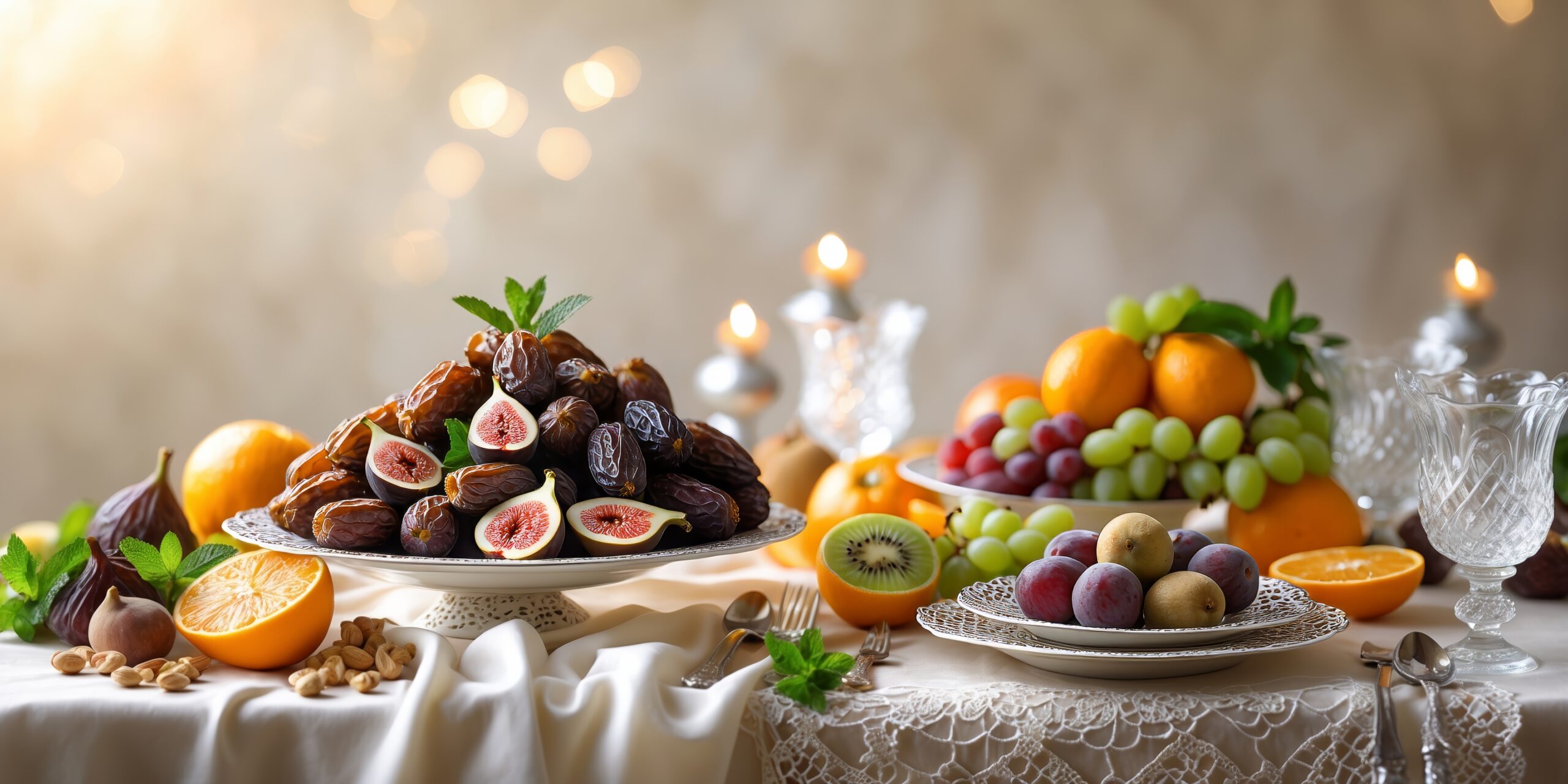
Tu BiShvat is known as the Rosh Hashanah for trees.¹ It is customary in many Jewish communities to eat fruits on this day², especially those with which Eretz Yisrael was blessed, the Shivas HaMinim (the seven species). Often, during this “fruit hunt,” one may encounter the opportunity to recite the blessing of shehecheyanu.
The blessing of shehecheyanu is recited on special, infrequent³ occasions from which we derive joy. For example, one says shehecheyanu when purchasing an expensive garment and likewise when eating a new seasonal fruit that has just become available. The purpose of this blessing is to thank Hashem for granting us life and allowing us to experience moments of happiness and renewal.
With regard to fruits, the blessing expresses gratitude for the natural cycle of growth that benefits all humanity.4 Technically, the obligation begins when seeing the new fruit, though today the common practice is to recite it when eating it.
One may recite shehecheyanu on both fruits and vegetables, provided they have ripened sufficiently to be ready for proper consumption. When a fruit or vegetable is clearly identifiable as part of a new crop—either because it looks or tastes distinctly fresher—one may recite the blessing even if older produce of the same kind remains available. However, if the fruit is not from a new crop, the blessing is not said, even if one personally has not eaten that fruit for over a year.5 This is because the joy of the new season is a communal, not individual, experience.6
Regarding fruits of the same family but slightly different types, the Shulchan Oruch HaRav7 rules that even if they taste similar, as long as they are of a different sub-variety (for example, differing in color), one may still recite shehecheyanu. Others8 maintain that the fruits must have a distinct flavor to be considered different enough for the blessing.
In modern times, due to storage methods and advanced growing techniques, many fruits are available year-round. Therefore, shehecheyanu should not be recited unless the fruit is clearly recognizable— both by appearance and taste— as part of a genuinely new crop. This is easiest to accomplish when buying local, seasonal produce.
If one initially saw or ate the fruit without reciting the blessing, it may still be recited later upon seeing or eating it again, omitting the section from Hashem’s Name until after the words Melech HaOlam (Boruch atah shehecheyanu v’kiyimanu v’higiyanu l’zman hazeh).
If the new fruit has been cooked or made into a paste, the same principles apply: as long as it can be identified as part of a new season, the blessing may be recited. However, one should note that when a fruit is cooked, it may lose its original brocha of ha’eitz unless some recognizable pieces of the fruit remain.9
ר’’ה דף ב כלים. 1 ’. See שלחן ערוך סי’ קל’’א ס’ ו’ ובנושאי
שם מ’’א 2
לוח ברכות הנהנין ס’ י’’א ס’ א 3
ערוך השלחן ס’ רכ’’ב ס’ ה 4
סדר ב’’ה פ’ י’’א ס’ ט’’ו 5
שם 6 . Additionally, see .ערוך השלחן שם
שם 7
ערוך השלחן, ברכ’’י 8
סב’’ה פ’ ז’ ס’ כ’’ג-כ’’ד 9